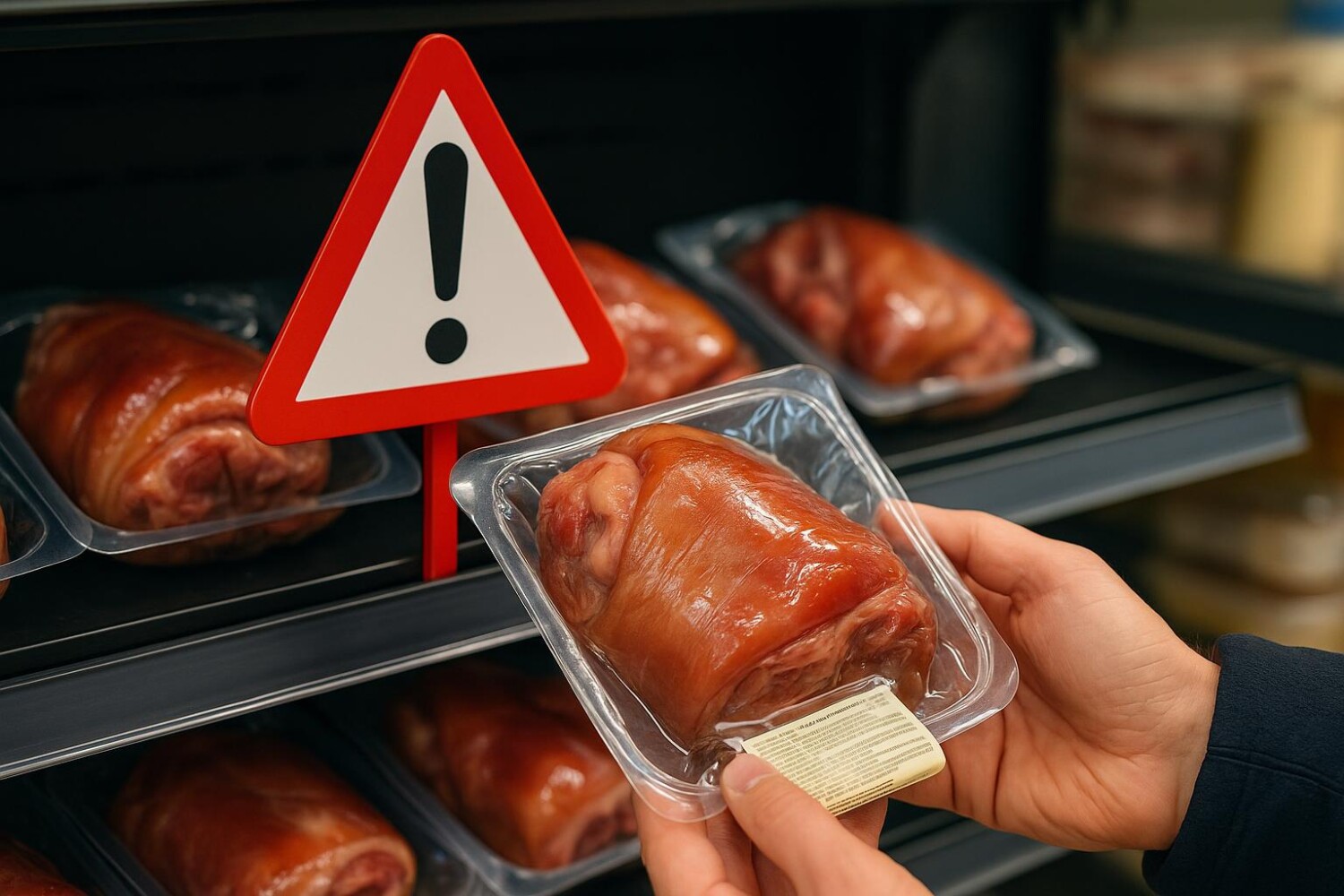
Carrefour Ham Recalled: Urgent Listeria Risk Warning Sparks Food Safety Concerns
In a significant development that underscores the critical importance of food safety, consumers across Europe are being alerted to an urgent product recall involving Carrefour’s cooked ham. The popular supermarket chain has issued a warning for its "Jambon Cuit au Torchon Carrefour le marché - Filière qualité" due to a potential contamination with Listeria monocytogenes. This type of alert, often referred to by the crucial French term Jambon Listeria Rappel (Ham Listeria Recall), is a serious matter that demands immediate attention from anyone who may have purchased the affected product.
For many households, ham is a staple – a quick snack, a sandwich filler for school lunchboxes, or a convenient addition to a hurried dinner. The trust consumers place in established brands like Carrefour is fundamental, making such a recall particularly unsettling. This incident serves as a stark reminder that even everyday items from trusted sources can sometimes pose hidden dangers, prompting a necessary re-evaluation of our kitchen habits and vigilance.
Unpacking the Carrefour Ham Recall: What You Need to Know
The core of this urgent warning revolves around specific batches of Carrefour's "Jambon Cuit au Torchon Carrefour le marché - Filière qualité." While exact batch numbers and expiration dates are typically communicated directly by Carrefour through their official recall notices, the general public must be aware of the product name. This cooked ham, known for its quality and often chosen for its convenience, is now under scrutiny for a very serious reason: the potential presence of Listeria monocytogenes.
Product recalls are not taken lightly. They are proactive measures initiated by manufacturers and retailers, often in collaboration with public health authorities, to prevent potential illness or harm to consumers. In the case of a Jambon Listeria Rappel, the decision to recall is made when testing reveals the presence of, or a high risk of, Listeria contamination. This means that the product might not be safe for consumption, even if it appears, smells, and tastes normal.
The immediate implication for consumers is clear: if you have purchased this specific Carrefour cooked ham, it is imperative that you identify whether your product belongs to the recalled lot. Checking the packaging for specific batch codes or use-by dates, as specified in Carrefour’s official communications, is the first critical step. Do not assume your ham is safe simply because it's from Carrefour; cross-referencing with the recall details is essential for your family's safety.
Understanding Listeria and the Serious Health Risks It Poses
The pathogen at the heart of this recall, Listeria monocytogenes, is a bacterium that can cause a serious infection known as listeriosis. Unlike many other foodborne bacteria, Listeria has the concerning ability to grow even in refrigerated temperatures, making deli meats, soft cheeses, and ready-to-eat foods particularly vulnerable.
Symptoms of listeriosis can vary, but commonly include fever, muscle aches, nausea, and diarrhea. In more severe cases, particularly if the infection spreads to the nervous system, symptoms can progress to headaches, stiff neck, confusion, loss of balance, and convulsions. The incubation period can range from a few days to several weeks, meaning symptoms might not appear immediately after consumption, which can complicate diagnosis and tracing.
While healthy individuals might experience mild, flu-like symptoms, listeriosis poses a significantly higher risk to certain vulnerable populations:
- Pregnant women: Listeriosis can lead to miscarriage, stillbirth, premature delivery, or life-threatening infection of the newborn.
- Newborns: Infants can contract the infection from their mothers, leading to severe health complications.
- Older adults: Individuals aged 65 and above have weakened immune systems and are more susceptible to severe illness.
- People with compromised immune systems: Those undergoing chemotherapy, organ transplant recipients, or individuals with conditions like HIV/AIDS are at a much higher risk of developing severe, invasive listeriosis, which can be fatal.
Given these grave risks, any Jambon Listeria Rappel is treated with the utmost seriousness by public health authorities. For a deeper dive into protecting your loved ones from this silent threat, consider reading our related article: Listeria Threat: How to Protect Your Family from Recalled Ham.
Immediate Actions: What to Do If You Have the Recalled Ham
If you discover that you have purchased the recalled Carrefour "Jambon Cuit au Torchon Carrefour le marché - Filière qualité," prompt action is crucial. Your immediate steps should be:
- Do Not Consume: Under no circumstances should you eat the affected ham, even if you’ve already consumed some and feel fine. The risks are too high.
- Check Product Details: Verify the specific batch numbers and use-by dates provided in Carrefour’s official recall notice against your product's packaging.
- Return to the Store: Take the product back to any Carrefour store where it was purchased. You are entitled to a full refund, even without a receipt in most recall situations.
- Dispose Safely (If Return is Not Possible): If returning the product is not feasible, double-bag it and dispose of it in a sealed bin to prevent any unintended consumption by others or pets.
- Clean Your Refrigerator: Listeria monocytogenes can cross-contaminate other foods and surfaces. Thoroughly clean and sanitize any surfaces the ham may have touched, including refrigerator shelves, deli drawers, cutting boards, and utensils. Use hot soapy water, followed by a sanitizing solution (e.g., a diluted bleach solution).
- Monitor for Symptoms: If you or anyone in your household has consumed the recalled ham, be vigilant for symptoms of listeriosis (fever, muscle aches, nausea, diarrhea). If symptoms appear, especially in high-risk individuals, seek medical attention immediately and inform your doctor about the potential exposure to Listeria.
Beyond the Recall: Enhancing General Food Safety in Your Kitchen
This Carrefour ham recall serves as a powerful reminder that food safety is an ongoing responsibility. While recalls help mitigate immediate risks, adopting robust food safety practices in your home is the best defense against future contamination. Here are some essential tips to safeguard your kitchen and family:
- Practice Good Hygiene: Always wash your hands thoroughly with soap and warm water before and after handling food, especially raw meat, poultry, seafood, and eggs.
- Prevent Cross-Contamination: Use separate cutting boards, plates, and utensils for raw and cooked foods. Keep raw meats, poultry, and seafood separate from ready-to-eat foods in your refrigerator.
- Cook to Proper Temperatures: Use a food thermometer to ensure meats are cooked to their safe internal temperatures to kill harmful bacteria.
- Refrigerate Promptly: Refrigerate perishable foods within two hours of cooking or purchasing. Keep your refrigerator temperature at or below 4°C (40°F).
- Clean Your Refrigerator Regularly: Wipe down shelves and drawers periodically. Pay special attention to spills.
- Pay Attention to "Use By" Dates: These dates are crucial for food safety. "Best before" dates relate more to quality. Never consume foods past their "use by" date, especially high-risk items like deli meats.
- Stay Informed About Recalls: Regularly check official food safety websites and news sources for product recall alerts.
- Handle Deli Meats with Care: As this Jambon Listeria Rappel highlights, deli meats can be a source of Listeria. Consume them promptly after opening, and for high-risk individuals, reheating deli meats until steaming hot can reduce risk.
For more comprehensive advice on maintaining a safe kitchen environment and understanding broader food safety issues, please refer to our detailed guide: Food Safety Alert: What Ham Recalls Mean for Your Kitchen.
Conclusion: Vigilance as Your Best Defense
The Carrefour ham recall due to Listeria risk is a serious public health alert. While inconvenient and concerning, it also underscores the effectiveness of food safety systems in identifying and addressing potential dangers. As consumers, our role is crucial: to stay informed, act promptly when recalls occur, and adopt consistent food safety practices in our daily lives.
By understanding the risks associated with pathogens like Listeria monocytogenes and taking proactive measures, we can significantly reduce the chances of foodborne illness in our homes. This incident is more than just a recall; it's a vital reminder that our vigilance is the ultimate safeguard for the health and well-being of our families.